


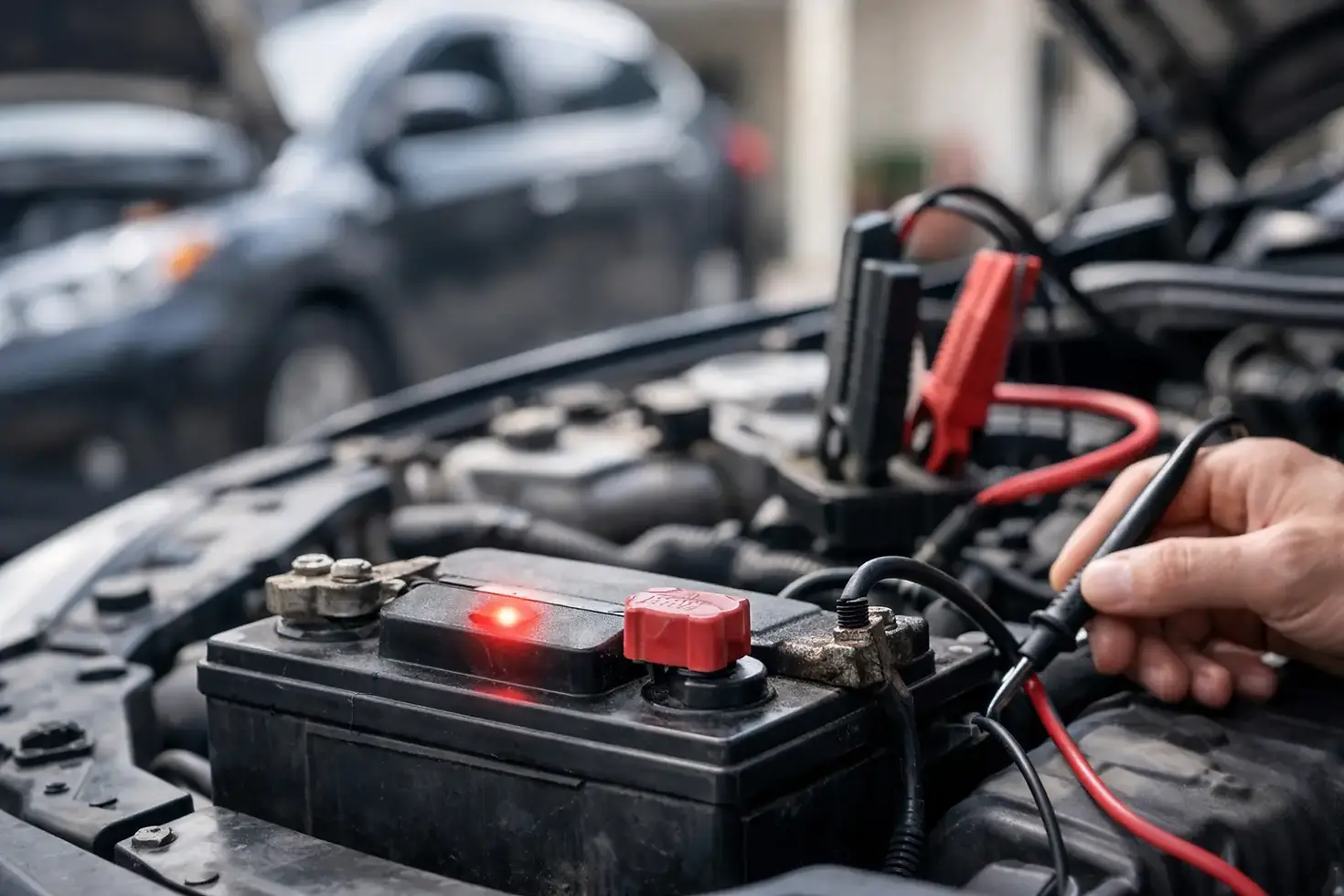
What Causes Repeated Car Battery Drain?
- Kathryn Fitzgerald
- Jun 26
- 6 min read

You jump the car, it starts, and for a day or two everything seems fine. Then the battery is dead again. If you are wondering what causes repeated car battery drain, the short answer is that the battery is often not the real problem by itself. A weak battery can be part of it, but repeated drain usually points to a charging issue, an electrical draw, or a driving pattern that never gives the battery time to recover.
That matters because replacing the battery without finding the cause can waste time and money. If your vehicle keeps losing power overnight or after sitting for a short time, the goal is not just to get it started again. The goal is to find out why it keeps happening.
What causes repeated car battery drain most often?
In our experience, repeated battery drain usually comes down to one of a few common issues. The first is a battery that is old or damaged and can no longer hold a charge the way it should. The second is a charging system problem, often involving the alternator or voltage regulator. The third is a parasitic draw, which means something in the vehicle keeps pulling power after the engine is off.
There is also a less obvious cause that catches plenty of drivers off guard. Sometimes the car is technically fine, but the battery never gets fully recharged because of short trips, long periods of sitting, or extreme heat. In Central California, summer heat can be especially hard on batteries. A battery may seem okay until one extra hot week or one weekend of sitting pushes it over the edge.
A weak or aging battery
Most car batteries do not fail all at once. They usually lose strength over time. You may notice slower cranking in the morning, dimmer lights, or the need for an occasional jump before the battery finally stops working altogether.
If the battery is a few years old, repeated drain may simply mean it no longer has enough reserve capacity. Even if it tests okay one day, that result can be borderline. A battery with internal damage or worn-out cells can still show voltage but fail under load or lose charge quickly after the engine is shut off.
This is where it depends on the battery's age, condition, and the kind of use the vehicle gets. A newer battery with repeated drain usually suggests another problem. An older battery may be both the symptom and the cause.
The alternator is not charging properly
A battery starts the vehicle, but the alternator keeps it charged while you drive. If the alternator is weak, the battery may never recover from each start. That can make it seem like the battery keeps dying on its own, when really it is being undercharged every day.
Sometimes alternator problems are obvious, such as a battery warning light on the dash or headlights that brighten and dim with engine speed. Other times the signs are subtle. The car may start fine after a jump and run normally, but the battery is dead again the next morning because it never received a full charge.
Bad wiring, a loose belt, poor connections, or a failing voltage regulator can create the same basic result. That is why charging system testing matters. Replacing the battery without checking alternator output can send you right back to the same problem.
Parasitic draw after the car is off
When people ask what causes repeated car battery drain, parasitic draw is one of the most common answers. Modern vehicles still use some battery power after shutdown to keep memory settings, security systems, and onboard computers alive. That is normal. The problem starts when one module, switch, light, or accessory keeps drawing more power than it should.
A glove box light that stays on, an aftermarket stereo, a dash cam hardwired incorrectly, a faulty relay, or a control module that does not go to sleep can slowly drain the battery overnight. In some cases, the drain is small enough that the battery lasts a day or two. In others, the car will not start by morning.
Parasitic draw can be frustrating because it is not always visible. Nothing may seem wrong during the day. The issue shows up only after the vehicle sits. Proper diagnostics usually involve measuring battery draw with the vehicle off and isolating the circuit causing the drain.
Corroded terminals or poor cable connections
Not every repeat no-start is true battery drain. Sometimes the battery has charge, but that power cannot move cleanly through the cables. Corrosion on the terminals, loose connections, or damaged battery cables can interrupt starting and charging.
This can create confusing symptoms. You may get intermittent starting problems, random electrical glitches, or a battery that appears dead but tests better than expected. If corrosion is heavy enough, the alternator may also struggle to recharge the battery properly.
The good news is that connection issues are often straightforward to confirm. The bad news is that they are easy to overlook when everyone assumes the battery itself is the only problem.
Short trips and long periods of sitting
Driving habits play a bigger role than many people realize. Starting a car uses a lot of battery power. If most trips are short, especially with the AC, lights, phone chargers, and other accessories running, the battery may not get enough time to recharge before the engine is shut off again.
The same goes for vehicles that sit for long stretches. A car parked for a week or two can lose enough charge to struggle on the next start, especially if the battery is already aging. That does not always mean there is a major electrical fault. Sometimes the pattern of use is simply hard on the battery.
Still, this is where there is some nuance. A healthy battery and charging system should tolerate normal short-trip use better than a weak one. If your battery is going dead constantly, driving habits may be contributing, but they may not be the whole story.
Extreme temperatures, especially heat
Cold weather gets most of the attention, but heat is a major battery killer. High temperatures speed up internal chemical wear and can shorten battery life well before a driver expects it. Once a battery has been weakened by heat, it may fail when demand increases or when the vehicle sits unused.
In places like Visalia, summer heat can expose a battery that was already on its way out. You might not notice a problem during daily driving, then suddenly deal with repeated dead battery issues after a hot weekend or a few days parked outside.
Heat-related damage is one reason battery age matters so much. A battery that is technically only a few years old can still be at the end of its usable life if it has spent those years baking under the hood.
Aftermarket accessories and charging ports
Extra electronics are another common source of battery trouble. Phone chargers left plugged in, added lighting, alarms, GPS trackers, audio systems, and remote start setups can all create drain if they are installed poorly or continue drawing power after shutdown.
Some accessories are fine when installed correctly. Others create issues only after wiring begins to loosen or components start to fail. If battery drain began after an accessory was added, that timing is worth paying attention to.
This does not mean aftermarket equipment is always the problem. It just means it should be part of the diagnostic picture, especially when everything else checks out.
How to tell whether it is the battery or something else
A single dead battery can happen for simple reasons, like leaving a dome light on. Repeated drain is different. When it happens more than once, testing needs to go beyond a jump start.
A good diagnostic process checks battery health, charging system output, and key-off electrical draw. It also includes inspecting terminals, cables, and common problem areas for the specific vehicle. That is the only reliable way to avoid guessing.
If your car starts fine after a jump but dies again after sitting, parasitic draw moves higher on the suspect list. If it dies while driving or struggles even after longer trips, the charging system may be the bigger concern. If the battery is old, swollen, or leaking, replacement may be necessary even if another issue is also present.
When to get it checked
If your battery has gone dead more than once in a short period, it is time to stop treating it like a one-time inconvenience. Repeated battery drain usually means something is wearing the battery down faster than normal, and every deep discharge shortens battery life even more.
A professional inspection can save you from getting stranded at home, at work, or in a parking lot when you are already on a tight schedule. For drivers who need a convenient option, James Mobile Auto Repair can diagnose battery, charging, and electrical issues on-site in many cases, which helps take some of the stress out of figuring out what is really going on.
If your vehicle keeps needing a jump, trust that pattern. Batteries do wear out, but they also tell you when something else is wrong. The sooner the real cause is found, the sooner you can get back to driving with confidence instead of wondering whether the car will start the next time you turn the key.


Comments