


Starter Replacement Review: Signs, Cost, and Options

A vehicle that will not start can derail a workday, leave a family stranded in a parking lot, or turn a quick errand into a roadside problem. This starter replacement review explains what a failing starter can look like, what should be tested before replacing it, and how to choose the right repair option when your car will not crank.
The starter is a small but critical part of the starting system. When you turn the key or press the start button, it uses battery power to turn the engine over. If it cannot do that job, the engine cannot begin running on its own. The good news is that many starter problems provide warning signs before a complete no-start situation occurs.
What a Failing Starter Usually Feels Like
A starter issue often begins with an intermittent problem. Your car may start normally one morning, then only click when you try again after work. It may crank slowly, need several attempts, or respond only after you try the key again. Those inconsistent starts are frustrating, but they are also useful information for a technician.
A single click or repeated rapid clicking is one of the most common symptoms drivers report. One solid click can point toward a starter solenoid or starter motor concern, while fast clicking is frequently related to a weak battery or poor battery connection. The sounds can be similar, which is why replacing a starter based on noise alone is not always the right move.
Other possible signs include a grinding sound during startup, smoke or a burning electrical smell near the engine, dashboard lights that come on but an engine that will not crank, or a starter that keeps running briefly after the engine starts. If you notice smoke, a burning smell, or continued cranking, stop trying to start the vehicle. Repeated attempts can create more damage and may leave you with a dead battery as well.
A Starter Replacement Review Starts With Diagnosis
The starter is not the only component involved when a vehicle will not start. Before approving a replacement, a proper inspection should consider the battery, battery terminals, charging system, starter wiring, ignition switch, fuses, relays, and safety switches. On automatic vehicles, a neutral safety switch issue can prevent starting. On manual vehicles, the clutch safety switch can do the same.
Battery condition matters especially in the Central Valley. High summer temperatures can shorten battery life, and a weak battery may have enough power to light the dash while still lacking the strength needed to crank the engine. Corroded or loose battery terminals can create a similar no-start condition.
That is why a good repair recommendation is based on testing, not a guess. A technician should verify whether the starter is receiving the proper signal and power, then determine whether it is drawing too much current, failing to engage, or operating normally while another system is causing the problem. This approach can prevent paying for a starter replacement when the actual issue is a battery cable, relay, or charging concern.
When the Starter Is the Confirmed Problem
Once testing confirms the starter has failed, replacement is generally more reliable than trying to repair individual internal components. Modern starters contain a motor, drive gear, solenoid, brushes, and electrical connections. Some rebuilt units are available, while others are new aftermarket or original-equipment-quality replacements.
The best choice depends on the vehicle, availability, and budget. A quality replacement part can make sense for many daily drivers. For certain vehicles, particularly those with difficult starter locations or specialized electrical systems, paying more for a higher-quality part may reduce the risk of doing the labor twice. The lowest-priced part is not always the lowest-cost repair if it fails early.
What Affects Starter Replacement Cost?
There is no single price for every vehicle because the starter itself is only part of the equation. The make, model, engine size, part quality, and starter location all affect the final estimate. On some vehicles, the starter is accessible from underneath and replacement is fairly straightforward. On others, it may be located beneath intake components or near tightly packed engine parts, which increases labor time.
A complete estimate should account for diagnosis, the replacement starter, labor, shop supplies, and any related repairs discovered during inspection. For example, damaged battery terminals, worn cables, or an oil leak reaching the starter may need attention at the same time. Ignoring the root cause can put a new part at risk.
It also helps to ask what part will be installed and what warranty applies to both the part and labor. Straight answers matter. You should know whether your estimate is based on a confirmed starter failure and whether there are any additional concerns that could affect reliability after the repair.
Mobile Repair or Shop Repair: Which Is Better?
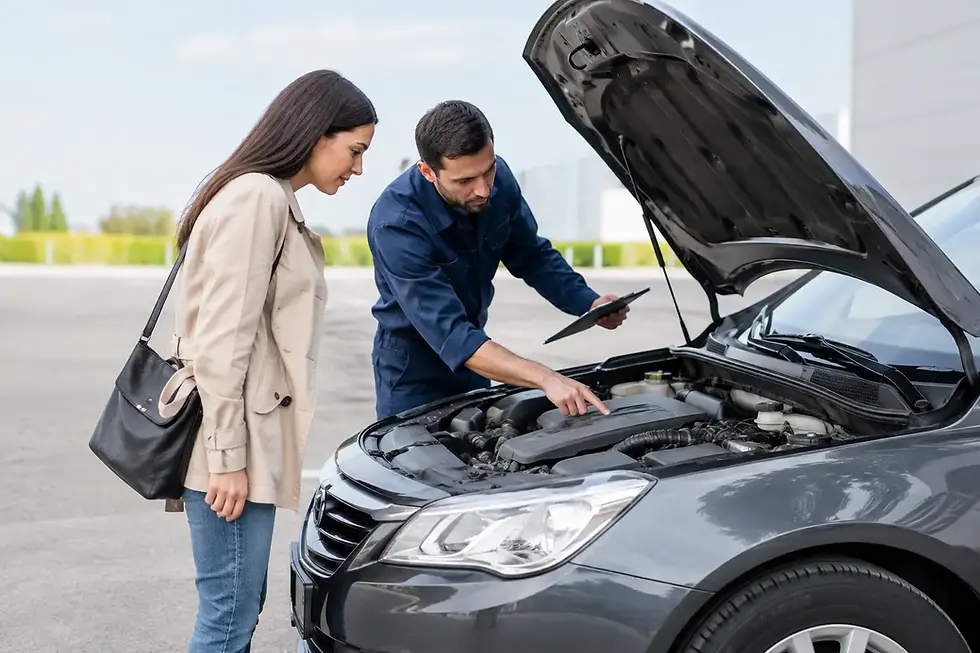
For many starter replacements, mobile service is a practical option. If your vehicle is parked safely at home, at work, or in a parking lot, a qualified mobile technician may be able to test the starting system and complete the repair without requiring a tow. That can save time, reduce disruption, and get you back on the road sooner.
Mobile repair is not the right choice in every situation. A vehicle in an unsafe location, a starter buried deep in the engine bay, major wiring damage, or a no-start issue that requires more extensive testing may be better handled in a fully equipped shop. The right service is the one that allows the problem to be diagnosed accurately and repaired safely.
James Mobile Auto Repair gives Visalia-area drivers both options. If the repair can be handled where your vehicle sits, mobile service can reduce the hassle. If the issue calls for more involved mechanical work, shop support is available without sending you through a confusing chain of separate providers.
Steps to Take When Your Car Will Not Crank
First, avoid repeatedly turning the key for long periods. This can drain the battery and overheat electrical components. Check that the vehicle is fully in Park or Neutral, or that the clutch pedal is firmly pressed on a manual transmission. If the battery terminals are visibly loose or heavily corroded, do not assume the starter has failed.
Next, pay attention to what happens when you attempt to start it. Do the lights dim? Is there one click, rapid clicking, silence, or a grinding sound? Does it start with a jump, then fail again later? These details help narrow down the problem and can make the diagnostic process more efficient.
If you are stranded, choose safety first. Move out of traffic if possible, use hazard lights, and arrange roadside help rather than trying makeshift methods such as striking the starter. Tapping a starter may occasionally produce a temporary response, but it does not fix the internal failure and can leave you stranded again without warning.
Protecting Your New Starter
A new starter depends on a healthy electrical system. Keep battery terminals clean and secure, replace a weak battery before it creates repeated starting stress, and address charging-system issues promptly. If your vehicle has an oil or fluid leak near the starter, getting it repaired can help protect electrical connections and the starter housing.
Paying attention to slow cranking early is often the difference between scheduling a convenient repair and dealing with an unexpected no-start. When your vehicle hesitates to start, a clear diagnosis and an honest repair plan can help you drive away with confidence instead of wondering whether the next turn of the key will be the last.


Comments