


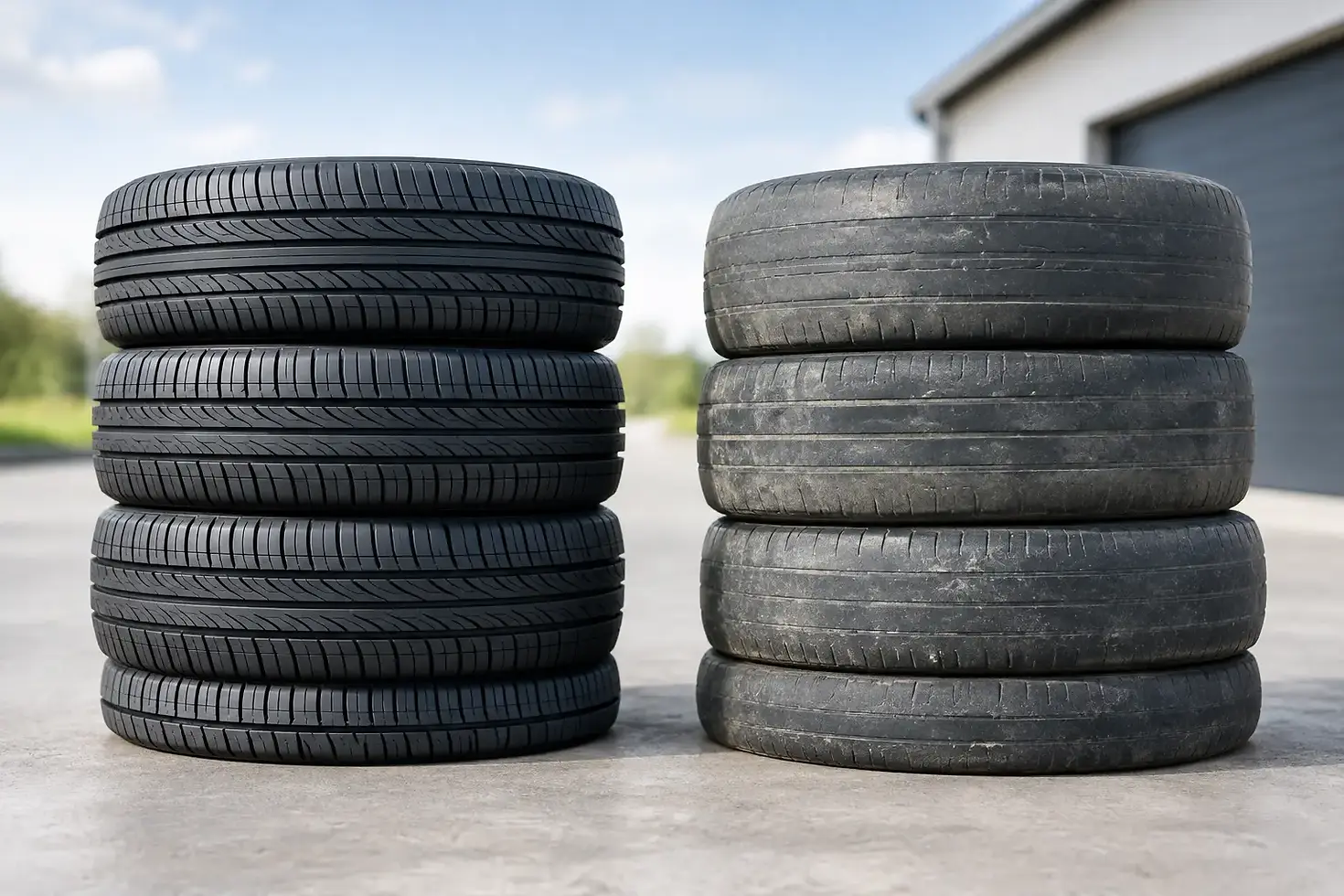
New Versus Used Tires: Which Should You Buy?

A low tire price can feel like a win, especially when an unexpected repair has already stretched the budget. But with new versus used tires, the number on the receipt is only part of the decision. The condition, age, fitment, and remaining tread can all affect how your vehicle brakes, handles, and holds up through Central Valley heat.
Used tires can be a reasonable short-term answer in the right situation. New tires are usually the better long-term investment when safety, predictable performance, and warranty protection matter most. The right choice depends on your vehicle, how much you drive, and whether the tire has a history you can verify.
New Versus Used Tires: The Main Difference
New tires come with full tread depth, a known manufacturing date, and no prior road history. You know they have not been driven underinflated, hit a pothole, picked up a hidden puncture, or sat outside in the sun for years. They also come with the manufacturer protections available for that model, which can add real value if there is a defect or premature wear issue.
Used tires cost less upfront because someone else has already used part of their service life. A used tire may have plenty of visible tread remaining, but tread alone does not tell the whole story. It may have internal damage, an old repair, uneven wear, or aging rubber that is harder to spot during a quick look.
That does not make every used tire unsafe. It means the tire needs a more careful inspection before it goes on your vehicle.
Why New Tires Often Deliver Better Value
The biggest advantage of new tires is not simply that they last longer. It is that their performance is more predictable. Full tread helps move water away from the contact patch, improving wet-road grip. Fresh rubber compounds generally provide better traction and ride quality than a tire that has spent years exposed to heat, sunlight, and repeated use.
For Visalia drivers, heat matters. High summer temperatures can speed up tire aging, especially when a vehicle is parked outdoors. Rubber can dry out and develop small cracks around the sidewall or between tread blocks. Those cracks may look minor, but they can be a warning that the tire is losing flexibility and strength.
New tires also make sense when your current set is worn evenly and you are replacing two or four tires as a matched pair or set. Matching tires helps maintain balanced handling, braking, and traction. On all-wheel-drive vehicles, closely matched tire size and tread depth can be especially important because major differences can put added stress on the drivetrain.
A new set is often the smart choice if you commute daily, carry family members, take highway trips, drive in rain, or plan to keep the vehicle for several years. The upfront cost is higher, but the cost per mile can be better when the tires deliver their full expected lifespan.
Warranty and peace of mind have value
Tire warranties do have terms and limits, but they are still an advantage that used tires usually do not offer. With new tires, you may have coverage related to workmanship, materials, mileage, or road hazards depending on the brand and purchase terms.
More importantly, you start with a known baseline. You can rotate the tires on schedule, monitor air pressure, and keep alignment in check from day one. That gives you a fair chance to get the life you paid for.
When Used Tires Can Be a Practical Option
There are situations where used tires make financial sense. If you need to replace a single tire after a road hazard and the other tires are still in good shape, a quality used tire with a closely matching size and tread depth may be a practical solution. It can also help when you need safe transportation immediately but need time to budget for a new set.
Used tires may be worth considering for an older vehicle that is nearing the end of its life, a vehicle that is driven very little, or a temporary situation where a tire must be replaced before a larger repair decision is made. The key word is temporary. A bargain tire is not a bargain if it creates a vibration, wears out quickly, or leaves you needing another replacement a few months later.
The best used tire candidates are those with substantial, even tread; no visible cracking or bulges; no exposed cords; and a recent manufacture date. They should also be the correct size, load rating, and speed rating for your vehicle. Choosing a tire simply because it fits on the wheel can compromise safety and handling.
What to Check Before Buying a Used Tire
A professional inspection is the safest way to assess a used tire. The tire should be checked inside and out, not just viewed while mounted on a rack. A technician can look for signs of internal damage, previous repairs, uneven wear patterns, and sidewall concerns that are easy to miss.
Pay close attention to the tire's DOT date code. The final four digits show the week and year it was manufactured. For example, a code ending in 2324 means the tire was made in the 23rd week of 2024. Age does not automatically make a tire unusable, but an older tire with low mileage can still be a poor choice if the rubber has hardened or cracked.
Tread depth matters too. New passenger tires commonly begin around 10/32 inch to 12/32 inch of tread, depending on the model. At 2/32 inch, a tire is legally worn out in many applications and should be replaced. A used tire with only a few 32nds left may be inexpensive, but it offers little remaining life and reduced wet-weather performance.
Look for even tread across the tire. Wear concentrated on one edge can point to alignment trouble. Cupping can indicate suspension or balance issues. A smooth-looking outer tread does not guarantee the tire is sound if the inner edge is worn down, which is why a complete inspection matters.
Avoid used tires with sidewall plugs, bulges, deep cuts, visible cords, or questionable patchwork. Sidewall damage is especially serious because the sidewall flexes constantly while driving. A tire may hold air today and still fail later under heat, speed, or load.
Do Not Ignore Installation and Vehicle Condition
Whether you choose new or used tires, proper installation is part of the job. Tires need correct inflation, wheel balancing, and torque on the lug nuts. If your vehicle pulls to one side, shakes at highway speed, or has uneven tire wear, it may also need an alignment or suspension inspection.
Replacing tires without addressing the cause of unusual wear can waste money. A worn tie rod, weak strut, damaged wheel, or incorrect alignment can shorten the life of even the best new tires. That is why a multi-point inspection can be useful when tire wear looks uneven or a replacement is needed sooner than expected.
If replacing only two tires, ask where they should be installed. Many tire professionals recommend putting the tires with deeper tread on the rear axle to help reduce the risk of losing rear traction on wet roads. Your vehicle type, tire condition, and manufacturer guidance can affect the recommendation, so it is worth getting advice for your specific setup.
How to Make the Right Call for Your Budget
Start with the question: how long do you need these tires to serve you? If you need dependable daily transportation for work, school drop-offs, errands, and highway driving, new tires are usually the more confident choice. You get more usable tread, a known history, and a better opportunity to protect your investment with routine maintenance.
If finances are tight and a used tire is the only immediate option, choose carefully rather than choosing the cheapest one available. A properly inspected used tire with good tread and a recent date code can help get you back on the road. Just go into the purchase knowing it may have a shorter remaining life and fewer protections than a new tire.
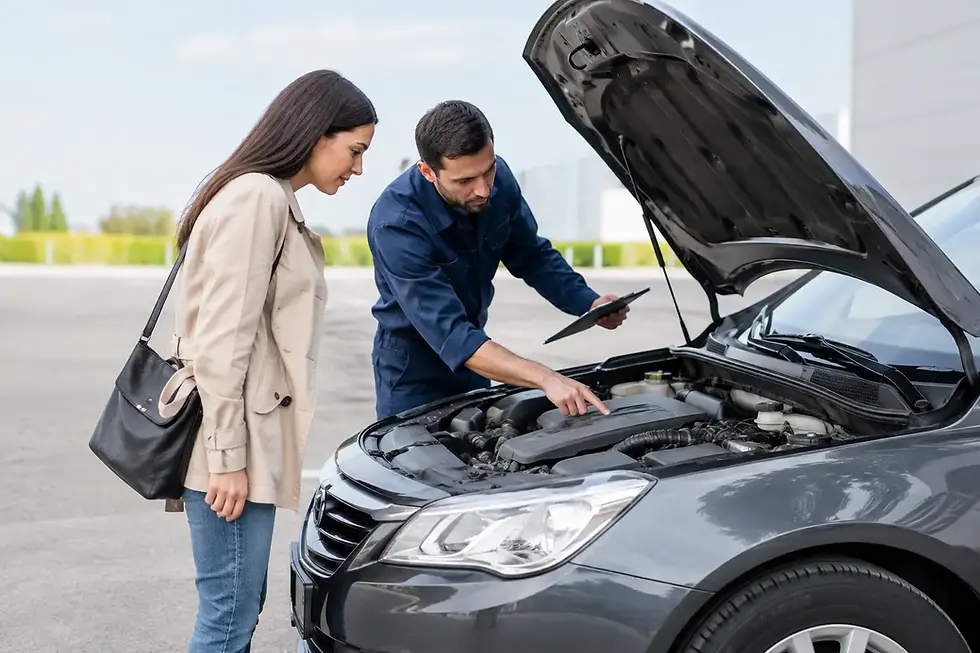
James Mobile Auto Repair can help Visalia-area drivers look beyond the price tag, inspect tire condition, and identify whether alignment or suspension issues are contributing to wear. A clear assessment helps you spend money where it will do the most good.
Your tires are the only parts of your vehicle that meet the road. When the choice is close, choose the option that lets you drive to work, carry your family, and handle an unexpected rainstorm with more confidence - not more questions.


Comments