


How to Handle Sudden Brake Noise While Driving

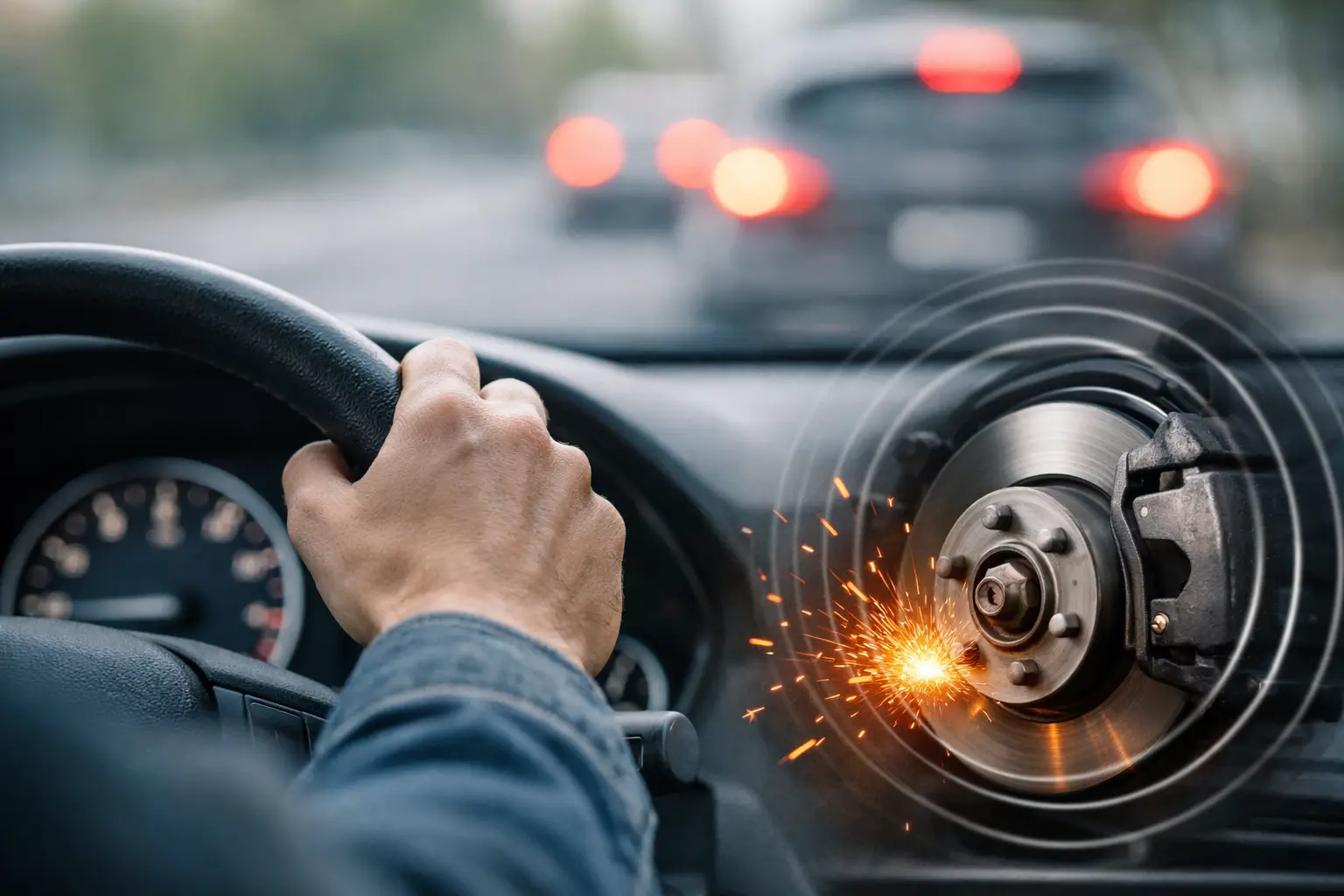
A new sound when you press the brake pedal can make an ordinary drive across Visalia feel urgent fast. Knowing how to handle sudden brake noise starts with one rule: do not assume it will clear up on its own. Some brake sounds are minor and temporary, but others mean the system that helps you stop safely needs attention now.
The sound, when it happens, and the way your vehicle feels while braking all help tell the story. Stay calm, avoid hard braking when possible, and use those clues to decide whether you can drive carefully to a repair appointment or need to stop and arrange help.
Start With Safety, Not Diagnosis
If brake noise starts while you are driving, ease off the accelerator and create more distance between your vehicle and traffic ahead. Do not test the brakes repeatedly, slam the pedal, or wait until the next stoplight to see whether the noise gets worse. Brake gently and pay attention to whether the vehicle stops straight and predictably.
Find a safe place to pull over if the sound is loud, metallic, or paired with a warning light. Once parked, look for obvious signs such as smoke near a wheel, a burning odor, fluid under the vehicle, or a wheel that appears unusually hot. Do not touch the wheel, rotor, or brake components. They can retain enough heat to cause a serious burn.
A brake warning light, a soft or sinking pedal, severe vibration, pulling to one side, or reduced stopping power changes the situation. These are not symptoms to drive around for. Call for roadside assistance or have the vehicle transported for inspection. Your schedule matters, but reliable braking matters more.
What Different Brake Noises Can Mean
Brake noise is not one problem with one cause. Weather, driving conditions, brake-pad material, and worn components can all create different sounds. A technician needs to inspect the vehicle to confirm the cause, but recognizing the pattern can help you explain what happened.
A light squeal or squeak
A brief high-pitched squeal after rain, a car wash, or a cool morning can come from moisture or light surface rust on the rotors. It may disappear after a few gentle stops. Some brake pads also make a little noise because of their material, especially when cold.
However, squealing that continues every time you brake may be a built-in wear indicator. Many pads have a small metal tab designed to make noise when the friction material is getting low. Treat that sound as a service reminder, not background noise. Replacing pads before they wear further can help protect the rotors and keep a smaller repair from growing.
A scraping, grinding, or harsh metal sound
Grinding deserves prompt attention. It can mean the brake pads are worn through and metal is contacting metal. It can also result from a rock or debris caught near the brake rotor, but there is no safe way to guess from the driver's seat.
Continuing to drive with grinding brakes can damage rotors, calipers, and other parts. More concerning, it can reduce braking performance. If the sound is constant or the vehicle does not feel normal when stopping, park it and arrange an inspection rather than trying to make it through the week.
A click, clunk, or knock
A click or clunk when braking may come from brake hardware that is loose, worn suspension components, or movement in a caliper or pad assembly. The noise may be most noticeable when shifting between reverse and drive or when coming to a complete stop.
This is not always an immediate roadside emergency, but it should still be checked soon. Loose or worn hardware can affect how evenly the pads contact the rotor and may lead to uneven wear or more expensive repairs.
Pulsing, shuddering, or vibration
If the steering wheel shakes or the brake pedal pulses when you slow down, the issue may involve uneven rotor surfaces, brake-pad deposits, wheel or tire concerns, or suspension components. The popular description is often “warped rotors,” but the exact cause can vary.
A mild pulse may allow you to drive cautiously to a scheduled inspection. Strong shaking, a sudden change in stopping distance, or vibration combined with pulling should be treated as more urgent. Brakes need to apply evenly, especially during a quick stop on busy roads.
How to Handle Sudden Brake Noise Without Making It Worse
Do not spray lubricants, cleaners, or water onto brake parts while they are hot. Products not meant for braking surfaces can contaminate pads and rotors, while cold water on very hot components can create additional problems. Avoid the temptation to apply grease or make a quick adjustment unless you have the proper tools, parts, and repair knowledge.
You should also avoid riding the brakes on long downhill stretches. Shift to a lower gear when appropriate for your vehicle, leave extra following distance, and use steady, controlled braking. Riding the brakes builds heat, which can intensify noise and contribute to brake fade.
If the noise appears only after recent brake work, contact the shop that performed the repair. New pads sometimes need a proper break-in process, and minor noise may occur during that period. Still, grinding, pulling, a soft pedal, or warning lights should never be dismissed as normal break-in behavior.
Take note of the details before you call for service. Was the noise present only when braking, or also while cruising? Did it begin after rain, after a pothole, or after a long drive? Does it happen at low speeds, high speeds, or only when turning? Clear information helps a technician narrow the inspection and helps you get answers faster.
When You Can Drive Carefully and When You Should Stop
It depends on the whole symptom picture. A faint squeak that disappears after a few stops, with a firm pedal and normal braking, is usually less urgent than a grinding noise. Even so, schedule an inspection if the sound returns or becomes consistent.
Stop driving and arrange help if you notice any of these warning signs:
The brake pedal feels soft, spongy, sinks toward the floor, or requires pumping.
The vehicle pulls sharply left or right when you brake.
A red brake warning light or ABS warning light stays on.
You smell burning, see smoke, or hear loud grinding or metal-on-metal scraping.
Stopping takes longer than normal, or the vehicle feels unstable during braking.
An ABS light does not always mean you have no brakes, but it may mean the anti-lock function is not available. A red brake warning light can point to a more serious hydraulic or parking-brake issue. Either way, it is wise to avoid unnecessary driving until the vehicle is checked.
Why a Brake Inspection Saves More Than Time
Brake repairs are often less costly when the problem is found early. Replacing worn pads is typically more straightforward than waiting until damaged rotors, seized calipers, brake hoses, or hydraulic components need work too. A proper inspection checks more than pad thickness. It can include rotors, calipers, brake fluid condition, hoses, hardware, tire condition, and signs of uneven wear.
For busy families, commuters, and working drivers, convenience should not mean putting off a safety issue. James Mobile Auto Repair can help Visalia-area drivers with diagnostics and mobile service when appropriate, while larger brake repairs can be handled with full shop support. That gives you a practical path forward without guessing what the sound means.
Brake noise is your vehicle asking for attention. Give it room, listen to the warning signs, and get a qualified inspection before a small sound becomes the reason you cannot drive with confidence.


Comments