


Best Maintenance for High Mileage Cars

When your car passes 100,000 miles, the conversation changes. It is no longer just about basic oil changes and hoping for the best. The best maintenance for high mileage cars is about staying ahead of wear, catching small problems early, and making smart repair decisions before they turn into expensive breakdowns.
For many drivers in Visalia and the surrounding area, a high mileage vehicle is still the family commuter, the work car, or the one that needs to be ready every morning without drama. That means maintenance has to be practical. You do not need to replace every aging part at once, but you do need a plan.
What counts as the best maintenance for high mileage cars?
High mileage does not automatically mean a car is near the end. A well-maintained vehicle with 150,000 miles can be more dependable than a neglected one with 70,000. What matters most is condition, service history, and whether the vehicle is showing signs of wear in key systems.
The best maintenance for high mileage cars focuses on the parts and fluids that age gradually, then fail all at once if ignored. Think engine oil, cooling system components, transmission service, suspension wear, belts, hoses, brakes, and battery health. The goal is simple - keep the car safe, reliable, and affordable to own.
That also means avoiding two common mistakes. The first is doing the bare minimum until something breaks. The second is throwing money at every recommendation without considering the vehicle's value and overall condition. Good maintenance lives in the middle.
Start with fluids before chasing bigger repairs
If a high mileage vehicle has missed maintenance in the past, fluids are often the best place to start. Clean fluids give you a baseline and help protect expensive parts that are still working.
Engine oil matters more as mileage climbs because older engines can develop internal wear, minor leaks, or oil consumption. Sticking to the correct oil type and change interval is one of the easiest ways to extend engine life. Some high mileage oils can help condition seals and reduce minor seepage, but they are not a fix for major leaks. If the engine is already losing oil quickly, that needs a real inspection.
Transmission fluid is another big one. Drivers often hear conflicting advice here, and the truth is that it depends. If the transmission has been serviced regularly, continuing service is usually smart. If it has very old fluid and shifting problems already, a full service may need to be approached carefully. This is where a technician's inspection matters, because the wrong move on a failing transmission will not reverse damage that is already there.
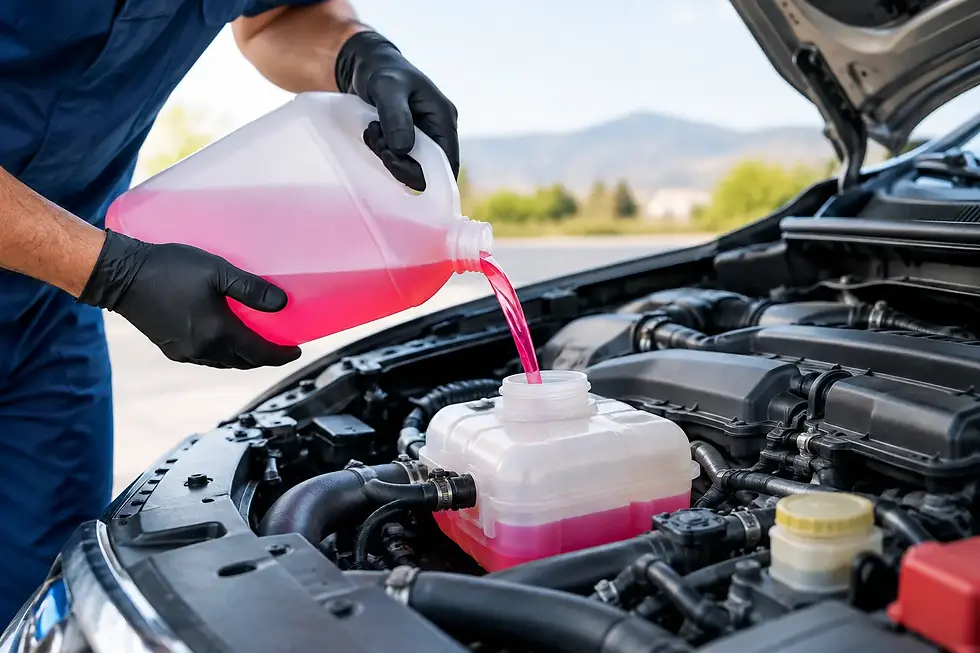
Coolant, brake fluid, and power steering fluid should not be ignored either. Old coolant loses its ability to protect against corrosion and overheating. Brake fluid absorbs moisture over time, which can affect braking performance and internal components. These are not flashy services, but they are part of what keeps an older car dependable.
Pay close attention to leaks, heat, and warning signs
High mileage cars rarely fail without giving some kind of notice. The problem is that drivers get used to the symptoms. A small oil spot in the driveway, a temperature gauge running slightly higher than normal, a rough idle at stoplights - these are often early warnings, not quirks you should learn to live with.
Cooling system issues deserve quick attention, especially in Central California heat. A worn radiator hose, weak water pump, sticking thermostat, or small coolant leak can turn into an overheating event fast. And once an older engine overheats badly, repair costs can climb in a hurry.
Oil leaks also need context. A minor seep may be manageable for a while if fluid levels are monitored and the leak is not reaching belts, hoses, or hot exhaust parts. A heavier leak is a different story. The key is knowing which leaks are inconvenient and which ones are dangerous or damaging.
Check engine lights matter more on older vehicles, not less. Sometimes the issue is minor, like an emissions-related fault. Other times it points to misfires, sensor failures, or fuel system problems that can hurt drivability and fuel economy if left alone.
Suspension, steering, and brakes often get overlooked
A lot of owners focus on the engine and transmission, but ride quality and safety systems take a beating over time too. Shocks, struts, control arm bushings, tie rods, ball joints, and wheel bearings all wear gradually. Because the change is slow, many drivers do not realize how much performance they have lost.
If your car wanders, clunks over bumps, dips when braking, or wears tires unevenly, it may need more than an alignment. Suspension wear can make a vehicle feel older than it is and can affect stopping distance and control.
Brakes are similar. Pads and rotors are only part of the picture. Calipers, brake hoses, master cylinders, and fluid condition matter too. On a high mileage car, a complete brake inspection is often more useful than just replacing what is noisy.
Belts, hoses, and rubber parts do not last forever
Mileage matters, but age matters too. Many high mileage cars are also older vehicles, and rubber components break down with time even if the car is not driven hard.
Serpentine belts can crack or glaze. Radiator and heater hoses can soften, swell, or become brittle. Engine mounts and suspension bushings can dry out and split. Weather exposure speeds this up, especially in hot conditions.
These are the repairs that often get pushed back because the car still runs. But when a belt snaps or a hose bursts, you are no longer talking about preventive maintenance. You are dealing with a breakdown, a tow, and a disrupted day.
Best maintenance for high mileage cars means inspecting more often
Older vehicles benefit from more frequent inspections, even if service intervals stay mostly the same. You are not necessarily doing major work every month. You are checking for changes before they become urgent.
That is especially helpful for drivers with tight schedules. A quick inspection can catch a weak battery, worn brake pads, a coolant seep, or a damaged belt before it leaves you stuck at home, at work, or on the roadside. For busy families and commuters, that kind of preventive approach saves time as much as money.
This is where convenience matters. Having a trusted technician who can assess the vehicle clearly, explain priorities, and tell you what can wait versus what should be handled now makes ownership much less stressful. For local drivers, James Mobile Auto Repair helps take that pressure off by bringing service to you when possible and backing it up with shop repairs when the job is bigger.
Know when to repair and when to hold back
Not every high mileage car needs every recommended repair. The best approach depends on the vehicle's condition, how long you plan to keep it, and what you need from it.
If the engine is strong, the transmission shifts well, and the body is in decent shape, investing in maintenance usually makes sense. Replacing suspension parts, fixing leaks, servicing fluids, and keeping the cooling system healthy can give the car a lot more useful life.
If the vehicle has major engine trouble, transmission failure, severe overheating history, or widespread neglect, you may need to be selective. Safety repairs and reliability basics come first. Cosmetic issues and lower-priority items can wait.
A good shop will be honest about that. You should know which repairs protect the vehicle, which improve drivability, and which may not be worth the cost based on the car's value.
A practical maintenance mindset for older vehicles
The owners who get the most life out of high mileage cars usually do a few things well. They listen when the car changes. They fix small issues before they stack up. And they stop thinking of maintenance as a once-in-a-while event.
You do not need a perfect car. You need a dependable one. That means keeping up with oil changes, watching fluid levels, inspecting brakes and suspension, addressing leaks early, and paying attention to heat and warning lights.
A high mileage vehicle can still be a solid daily driver if it is cared for with consistency and common sense. The right maintenance does not just help it last longer. It helps you drive with less stress every mile after 100,000.


Comments