


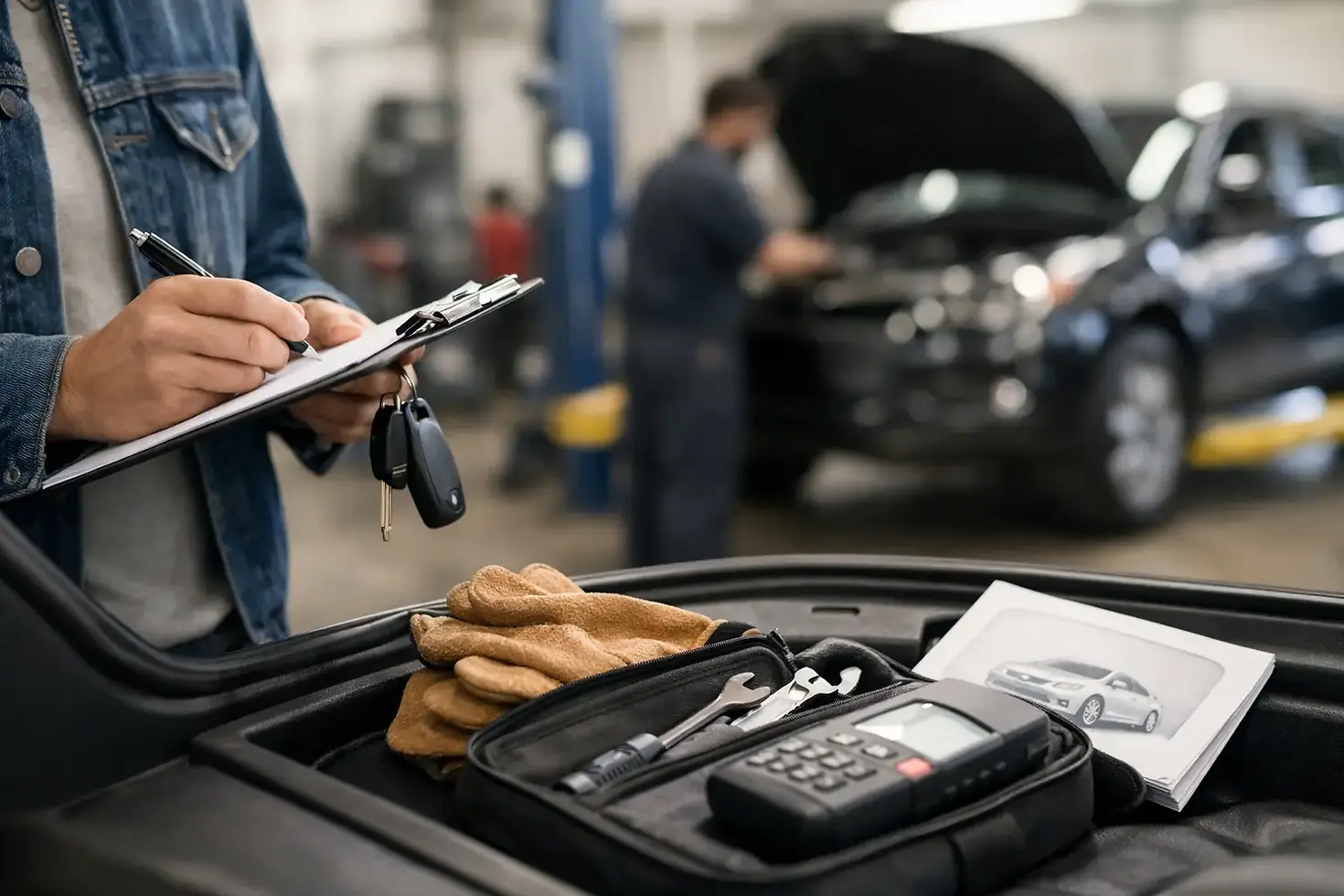
How to Prepare for a Mechanic Visit Easily
- Kathryn Fitzgerald
- Jul 29
- 6 min read

That clicking sound may only happen when you turn left. The check-engine light may have come on three days ago and then disappeared. Those details can feel small, but they can save time during diagnosis and help you get a clearer answer faster. Knowing how to prepare for mechanic visit turns a stressful car problem into a more productive service appointment.
Whether a technician is coming to your home or workplace, or you are bringing your vehicle into a shop, a little preparation helps everyone focus on the repair. You do not need to know how to diagnose the problem yourself. Your job is to share what you have noticed, make the vehicle accessible, and ask the questions that matter to you.
How to Prepare for a Mechanic Visit Before the Appointment
Start by writing down the concern while it is fresh. A short note in your phone is enough. Include when the issue started, how often it happens, and what the vehicle is doing when it occurs. For example, "brakes squeal during the first few stops in the morning" gives a technician more useful direction than "brakes sound weird."
Be specific about changes in sound, feel, smell, or performance. A vibration at highway speed, a burning smell after climbing a hill, rough idling at stoplights, or a no-start condition after the vehicle sits overnight each point to different possibilities. If a warning light is on, note the light's name and whether it stays on, flashes, or comes and goes.
If it is safe, take a brief photo or video of the problem. A video of a dashboard warning message, a leaking fluid under the vehicle, or an unusual engine noise can be especially helpful when the symptom does not happen consistently. Do not put yourself at risk trying to capture it. Never open a hot radiator cap, reach near moving engine components, or drive an unsafe vehicle just to recreate a noise.
It also helps to gather the basics before the appointment: your vehicle's year, make, model, mileage, license plate number, and vehicle identification number if available. Keep recent repair invoices nearby, particularly if the concern began after another service or if a part was recently replaced. Service history can prevent duplicate work and reveal patterns, such as repeated battery failures or recurring overheating.
Describe the Problem Without Guessing the Repair
Drivers often arrive convinced they need a specific part because of something they read or heard from a friend. Sometimes that guess is right. Just as often, the same symptom can come from several different causes. A check-engine light, for instance, might relate to a loose gas cap, an ignition issue, a sensor, or an emissions-related problem.
Share your observations first, then mention any repair you suspect as a question. Saying, "The car loses power when I accelerate, and I wonder if it could be the fuel pump," gives the technician useful information without steering the diagnosis too early. A professional inspection should identify the cause before parts are replaced.
Be ready to answer a few practical questions. Does the issue happen with a cold engine, after driving for 20 minutes, only in hot weather, or only when the air conditioning is running? Did you hit a pothole, tow a trailer, run low on fuel, or notice the problem after a battery replacement? These details matter because vehicle problems are often tied to conditions, not just components.
Prepare Your Vehicle and Service Space
For a mobile appointment, choose a location that is as safe and workable as possible. A level driveway or parking area is generally best. The technician needs room to access the vehicle, open doors, raise the hood, and use tools without working beside fast-moving traffic.
Move personal items from the front seats, floorboards, trunk, and cargo area if those spaces may need inspection. Clear access is helpful for battery work, electrical diagnosis, spare-tire concerns, interior repairs, and any job that requires reaching under seats or behind panels. You do not need to detail the car, but removing valuables and loose clutter protects your belongings and gives the technician room to work.
If your vehicle is parked in an apartment complex, office lot, or other shared property, check the parking rules beforehand. Some locations limit on-site repairs, require approval, or do not provide enough safe space for service. In those situations, a shop appointment may be the better choice. Mobile repair is convenient for many maintenance and diagnostic needs, while larger repairs, lifting requirements, or extensive parts replacement may call for full shop equipment.
Make sure the keys are available and the vehicle can be accessed at the scheduled time. If the car will not start, let the service provider know in advance. That changes the preparation needed and helps determine whether roadside assistance, mobile diagnosis, towing, or in-shop service is the right next step.
Know What You Want From the Visit
A mechanic visit can be about more than fixing one immediate issue. If you are already scheduling service, consider whether you have other concerns worth mentioning, such as overdue maintenance, tire wear, weak air conditioning, slow starting, or a dashboard light that appeared once last month. Bringing these up at the beginning allows the technician to plan the inspection efficiently.
Still, prioritize your main concern. If the vehicle is stalling, overheating, braking poorly, or refusing to start, that safety or reliability issue should come first. Routine maintenance may need to wait depending on the diagnosis, your budget, and the condition of the vehicle.
A free multi-point inspection can also give you a clearer picture of what needs attention now and what can be monitored for later. Not every recommendation carries the same urgency. Ask which repairs affect safety, which could lead to a breakdown, and which are preventive items you can schedule later. Straight answers help you make a decision without feeling pressured.
Ask Clear Questions About the Estimate
Before authorizing repairs, make sure you understand what the estimate covers. A good estimate should distinguish between diagnosis, parts, labor, and any additional services needed to complete the job. If a problem cannot be confirmed until the vehicle is taken apart, ask how you will be contacted before additional work proceeds.
Useful questions include: What did you find? Is this repair urgent? What could happen if I wait? Are there options for parts or timing? How long should the repair take? These are reasonable questions, especially for an unexpected repair that affects your transportation or household budget.
There can be trade-offs. A lower-cost part may make sense for an older vehicle with limited remaining value, while an original-equipment-quality option can be a better fit for a daily commuter you plan to keep. The best choice depends on the repair, the vehicle's condition, your driving needs, and your budget. A dependable technician should explain those options plainly.
Avoid These Common Appointment Delays
Most delays are preventable. Do not wait until the technician arrives to mention that the car only acts up after a long drive, that another shop recently worked on the same area, or that the vehicle has an aftermarket alarm or remote-start system. Those facts can change the diagnostic path.
Also, avoid clearing warning codes or disconnecting the battery right before a diagnostic appointment unless you have been advised to do so. Doing that can erase valuable information stored by the vehicle's computer. If you used a code reader, write down the code and let the technician know, but remember that a code identifies a system that needs testing, not automatically the part that needs replacement.
If you need a mobile technician, do not schedule in a spot where the vehicle may be blocked in, moved, or exposed to unsafe traffic conditions. A small amount of planning protects the technician, your vehicle, and your time.
For Visalia drivers, James Mobile Auto Repair can bring practical help to your location when mobile service fits the job, with shop support available when a repair needs more space or equipment. The goal is not to make auto repair more complicated. It is to get the right information, the right service setting, and a clear path back to reliable driving.
Before your appointment, take two minutes to write down what changed, clear a safe place around the vehicle, and keep your questions handy. That preparation gives your technician a stronger starting point and gives you more confidence in the road ahead.


Comments