


Top Bad Alternator Signs You Shouldn't Ignore

Your car starts normally in the morning, then the battery light appears halfway through your commute. By the time you reach your destination, the radio cuts out, the dash lights look dim, and restarting the vehicle becomes a gamble. Those are among the top bad alternator signs, and waiting to see whether they go away can turn a manageable repair into a roadside breakdown.
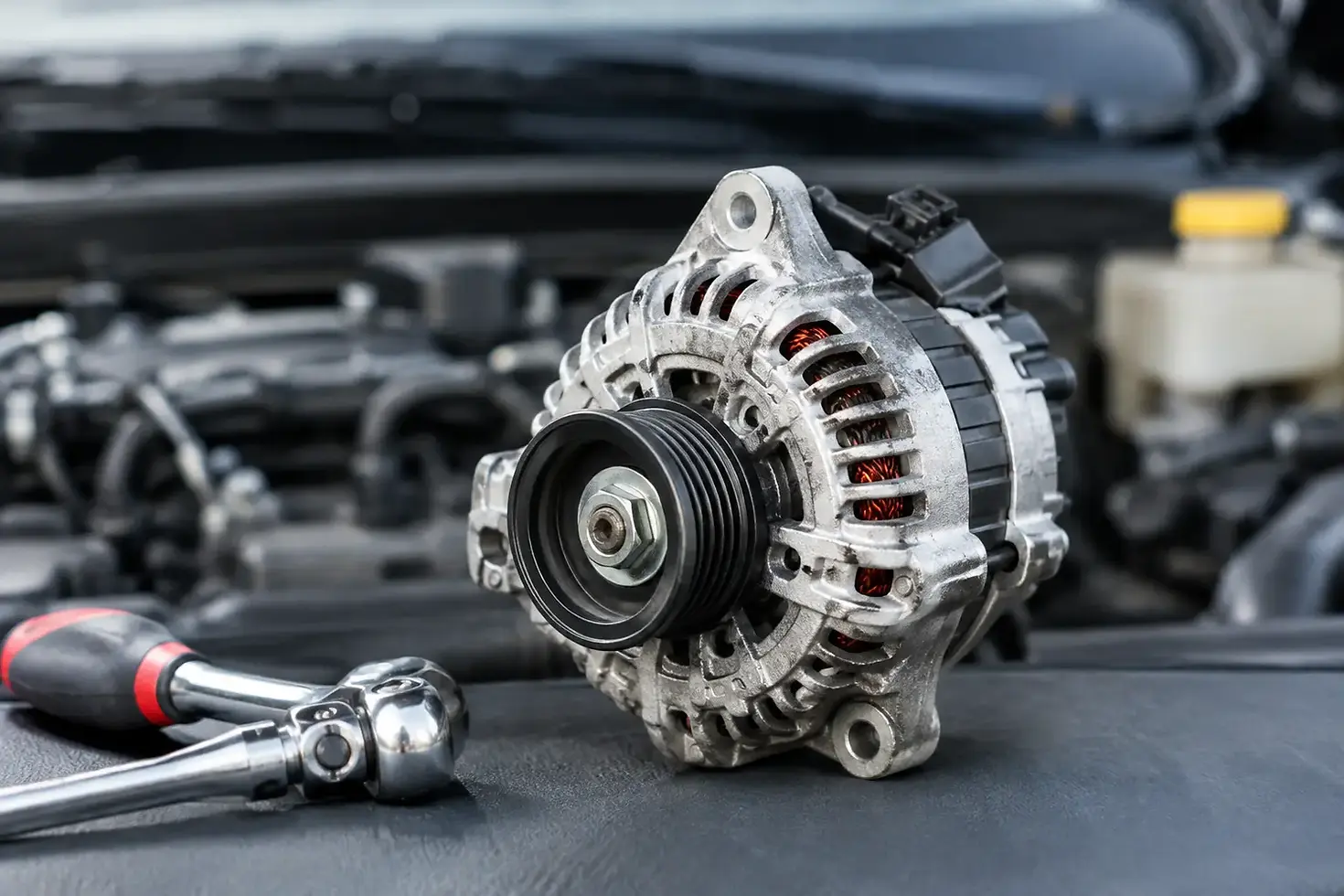
The alternator is the part that keeps your vehicle's electrical system supplied with power while the engine is running. It also recharges the battery after the battery provides the initial power to start the engine. When the alternator begins to fail, your vehicle may still run for a short time on battery power, but it will eventually stall once the battery is drained.
Knowing what to watch for gives you a better chance of scheduling service before you are stuck in a parking lot, at work, or on a busy Central Valley road.
What an Alternator Does for Your Vehicle
Many drivers assume a no-start condition always means the battery is bad. Sometimes that is true, especially if the battery is old or has a loose connection. But the battery and alternator work as a team. The battery starts the engine, while the alternator takes over to power systems such as the headlights, ignition, climate controls, power windows, charging ports, and dashboard electronics.
A healthy charging system usually produces roughly 13.5 to 14.5 volts while the engine is running. If alternator output drops too low, the battery must carry more of the electrical load. If output becomes unstable or too high, sensitive electronic components can also be affected. That is why a proper diagnosis matters more than replacing parts based on a guess.
Top Bad Alternator Signs to Watch For
Alternator problems do not always look the same. Some vehicles provide an early warning, while others seem fine until they suddenly will not stay running. These signs deserve prompt attention.
The Battery or Charging Warning Light Comes On
The battery-shaped warning light does not necessarily mean the battery itself is the problem. In many vehicles, it is a charging-system warning light. It can come on when the alternator is not producing enough power, when there is a wiring issue, or when the drive belt is slipping.
If the light comes on while you are driving, do not ignore it for days. Turn off unnecessary electrical accessories if possible, such as seat heaters or extra phone chargers, and arrange for the vehicle to be checked. The farther you drive with a failing charging system, the greater the chance the engine will stall after the battery runs down.
Headlights and Interior Lights Look Dim or Flicker
Dim headlights are one of the more recognizable signs of low alternator output. You may notice that headlights brighten when you press the accelerator and dim again at idle. Interior dome lights, gauge cluster lighting, and power window operation may also become inconsistent.
Flickering can point to an alternator that is sending uneven voltage, but it can also be caused by corroded battery terminals, loose ground connections, or an aging battery. The symptom is useful, but testing is what identifies the actual cause.
The Engine Cranks Slowly or Needs Frequent Jump-Starts
A jump-start may get you moving, but it does not prove the battery is at fault. If the vehicle needs repeated jump-starts and the battery is relatively new, the alternator may not be recharging it during normal driving.
This is especially common when a driver installs a new battery, only to have the same problem return a few days later. Replacing the battery without checking the charging system can leave the underlying issue untouched. A technician can test battery condition, alternator output, and voltage drop through the cables to avoid unnecessary repairs.
Electrical Accessories Act Unusual
Modern vehicles rely on electrical power for much more than headlights and the radio. A weak alternator may cause the infotainment screen to restart, the blower motor to slow down, power locks to respond poorly, or warning messages to appear on the dashboard.
One odd electrical issue does not automatically mean the alternator is failing. Multiple electrical changes happening at the same time, particularly with a battery warning light, are a stronger clue. Pay attention to when the problem occurs. If it is worse at idle or when the air conditioning and headlights are on, charging-system weakness becomes more likely.
You Hear Whining, Grinding, or Squealing Under the Hood
Not every alternator failure is electrical. The alternator contains moving parts, including bearings, that can wear out. A grinding or whining sound near the front of the engine may indicate a failing bearing. A high-pitched squeal can come from a worn or loose serpentine belt, which drives the alternator on many vehicles.
A damaged belt, weak belt tensioner, or seized alternator pulley can prevent the alternator from spinning at the correct speed. These problems should be checked quickly. If the belt breaks, the alternator stops charging, and on some engines the water pump may stop circulating coolant as well. That can create an overheating problem in addition to a charging issue.
There Is a Burning Rubber or Electrical Smell
A hot, burning-rubber smell can indicate a slipping belt. An electrical burning smell may come from overheated wiring or an alternator working beyond its limits. Neither smell is normal, and both warrant stopping the vehicle safely when possible.
Do not open the hood near moving engine parts or try to handle hot components. If you see smoke, notice a strong burning odor, or have multiple warning lights on, it is safer to arrange roadside help than continue driving.
The Vehicle Stalls While Driving
A complete alternator failure can eventually cause the engine to shut off because the ignition system, fuel system, and engine computer no longer have sufficient voltage. Steering and braking assistance may feel different after a stall, so this situation can become stressful quickly.
If your vehicle stalls and the battery light was on beforehand, treat it as a possible charging-system failure. Move to a safe location if you can, turn on hazard lights, and avoid repeatedly trying to restart the vehicle. Each restart attempt pulls more power from a battery that may already be depleted.
Why a Battery Test Alone Is Not Enough
A battery can test low because it is old, because an interior light was left on, or because the alternator failed to recharge it. Likewise, a battery may test fine immediately after being charged but still lose power during the next drive if the alternator is weak.
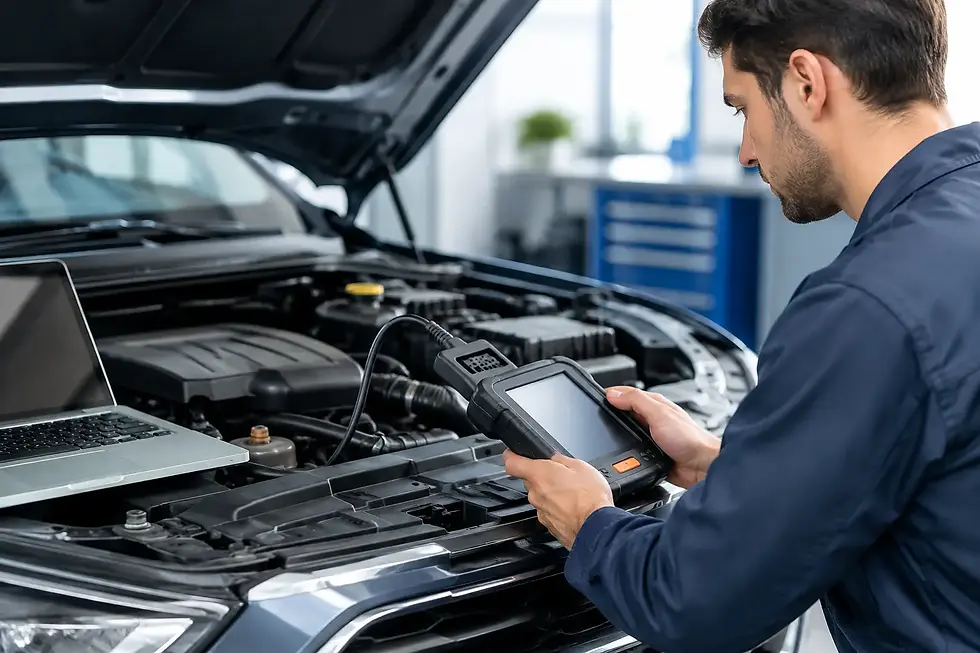
A complete inspection looks at more than one number. It should include battery health, alternator charging voltage, belt condition, cable connections, grounds, and signs of corrosion. In some cases, a parasitic electrical draw is the real concern. That occurs when something continues using battery power after the vehicle is turned off. The symptoms can resemble an alternator problem, which is another reason diagnosis saves time and money.
Can You Drive With a Bad Alternator?
Sometimes you can drive a short distance, but it is not a good risk to take. How long the vehicle continues running depends on battery charge, vehicle electrical demand, weather, and whether the alternator has failed completely or is only charging weakly. A vehicle with few accessories running might make it farther than one using headlights, air conditioning, windshield wipers, and multiple electronics.
There is no reliable mileage estimate. The car could run for several minutes or much longer, but it can also stall without much warning. If the charging light is on, plan for service rather than treating the vehicle as dependable transportation.
What to Do When You Notice Alternator Trouble
Start by reducing electrical load where it is safe to do so. Turn off nonessential accessories, but keep safety equipment such as headlights on when conditions require them. Avoid a long drive, heavy traffic, or a route where a breakdown would put you in a dangerous position.
Then schedule a charging-system inspection. James Mobile Auto Repair can help Visalia-area drivers diagnose battery, alternator, belt, and electrical concerns at your location when appropriate, with shop support available for repairs that require more extensive work. Clear testing helps determine whether you need an alternator, a battery, a belt repair, cable service, or something else entirely.
A battery light or dim headlights may feel like a minor inconvenience at first, but your vehicle is giving you useful information. Address it early, and you can protect your schedule, avoid an unexpected tow, and get back on the road with confidence.

Comments